The Core Challenge
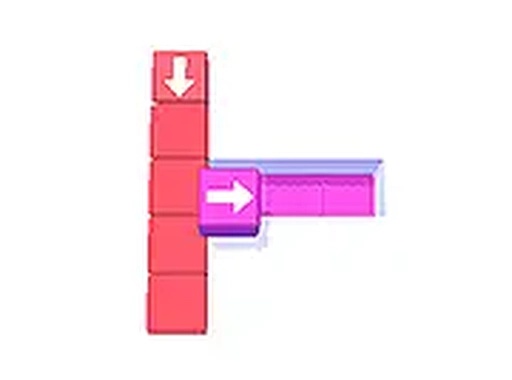
This puzzle game presents players with a three-dimensional grid and a set of geometric blocks. The objective is straightforward: place each block so it completely fills the empty tiles on the grid. Success depends on recognizing how different shapes fit together in a 3D space. Unlike flat puzzles, the added dimension requires players to consider depth and orientation, making each level a fresh mental exercise. The game starts with simple configurations to help new players grasp the mechanics before introducing more complex arrangements.
Visual Design and Clarity
The 3D perspective is not just for show. It provides a clear view of how blocks align with the grid, helping players see potential placements from multiple angles. The clean, uncluttered interface ensures that the focus remains on the puzzle itself. Colors are used to distinguish different block shapes, making it easier to identify which piece to use next. This visual approach reduces guesswork and allows players to concentrate on strategy rather than struggling with confusing graphics.
Progression and Difficulty Curve
Levels are organized to gradually increase in complexity. Early stages introduce basic shapes and simple grids, allowing players to build confidence. As players advance, they encounter more irregular shapes and larger grids that demand greater spatial awareness. The difficulty curve is steady, ensuring that each new level feels like a natural step up rather than an abrupt jump. This design keeps the experience engaging without becoming frustrating.
Controls and Accessibility
The game uses intuitive drag-and-drop controls that work smoothly on both desktop and mobile devices. Players can rotate blocks before placing them, which is essential for finding the correct fit. The interface is responsive, with clear visual feedback when a block is correctly positioned. A full-screen mode is available for those who prefer an immersive view. Because the game runs entirely in a browser, there is no need to install any software, making it easy to start playing instantly.
Strategic Thinking Tips
Approaching each puzzle with a plan improves success rates. Before placing any block, scan the grid to identify areas that might be difficult to fill later. Sometimes setting aside a block that seems to fit can open up better options. Rotating pieces to test different orientations is a key strategy. Taking short breaks when stuck can provide a fresh perspective. The game rewards patience and careful observation over speed.
✅ Compatibility & Testing
• Desktop (Windows 11, macOS Ventura)
• Mobile (iPhone 14, Samsung Galaxy S23)
• Tablet (iPad Pro, Android tablet)
✅Supported browsers: Chrome, Safari, Edge, Firefox (latest versions)
❌ Not supported: Internet Explorer, older browser versions










Comments
0 comments