Foundations of Your Stronghold
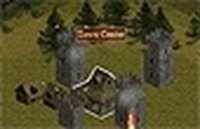
At the heart of this experience lies the challenge of constructing a functional and defensible settlement. Players begin with a modest plot of land and a handful of essential structures. The core loop involves erecting facilities that gather raw materials, such as lumber yards and quarries, alongside training grounds for your defenders. Each building must be placed thoughtfully, as the layout directly impacts efficiency and security. A poorly positioned workshop might slow supply lines, while a barracks too far from the perimeter could leave walls undermanned during an assault. This emphasis on spatial planning sets the tone for every match, rewarding those who think ahead.
Resource Flow and Economic Balance
Managing your economy is a constant balancing act. You must allocate workers to gather wood, stone, and food, while also funding new construction and unit training. The game introduces scarcity early, forcing you to prioritize between expanding your resource network and reinforcing your defenses. Upgrading collection points increases yield but requires upfront investment. Players who neglect their supply lines may find themselves unable to produce enough troops to hold their ground. Conversely, over-investing in gathering leaves your settlement vulnerable. This tension between growth and safety creates meaningful decisions at every stage.
Commanding Your Forces
Once your base is operational, directing your units becomes the next priority. You can select individual soldiers or groups and issue movement, patrol, or attack orders. The interface uses standard point-and-click controls, with keyboard shortcuts for faster management. Terrain and building placement affect troop movement, so understanding the map layout is crucial. You might position archers on elevated ground for better range or station cavalry near choke points to intercept raiders. Success in engagements often comes down to positioning and timing rather than sheer numbers, encouraging tactical thinking over brute force.
Scouting and Map Awareness
Exploring the surrounding area reveals valuable resources and potential threats. Fog of war hides enemy movements and resource nodes, so sending out scouts early gives you a significant advantage. You may discover abandoned structures that can be repurposed or natural barriers that simplify defense. Keeping tabs on opponent activity allows you to anticipate attacks or find weak points in their own setup. Regular reconnaissance is not optional; it is a fundamental part of staying competitive. Players who neglect map awareness often find themselves caught off guard by sudden incursions.
Adapting to Human Opponents
The online component introduces unpredictability that single-player scenarios cannot replicate. Human opponents adapt on the fly, forcing you to revise your strategies mid-game. You might face a rusher who attacks early with cheap units, a turtle who builds impenetrable walls, or an economic player who outproduces you in the late game. Each match requires reading your opponent's style and adjusting your build order accordingly. This dynamic environment keeps the experience fresh, as no two encounters play out the same way. The beta version provides a solid foundation, with developers promising regular updates to refine balance and add content.
Compatibility
This H5 game runs smoothly on:
• Desktop computers (Windows / Mac) • Mobile phones (iPhone / Android)
• Tablets (iPad / Android)
🌐 Best experienced with Chrome, Safari, or Edge


Comments
0 comments