Reviews
Tile Placement Logic Quest stands out for its elegant simplicity and steady challenge. The core mechanic of sliding tiles into matching positions is easy to grasp, but the introduction of barriers and move limits adds genuine depth. The visual design is uncluttered, helping you focus on the logic. Each puzzle feels like a satisfying brain teaser, and the lack of timers makes it a relaxing yet engaging experience. It is an excellent choice for anyone who enjoys spatial puzzles.
About this game
Core Concept
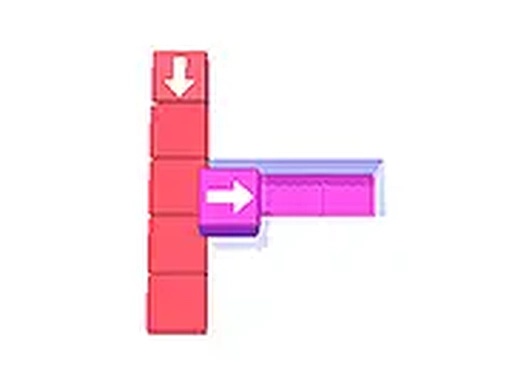
Tile Placement Logic Quest presents a straightforward objective: move every colored tile to its corresponding target location on a grid. The challenge lies in the path. Tiles can only slide in straight lines until they hit an obstacle or the edge, forcing you to think several steps ahead. Early levels serve as a gentle introduction, with open grids and few tiles. As you progress, the layouts become denser, introducing barriers that redirect movement and limited move counts that demand efficiency.
Puzzle Design Philosophy
Each puzzle is a self-contained logic problem. The designers avoid random elements, ensuring every layout has at least one solution. Some puzzles reward creative detours—moving a tile away from its goal temporarily to clear a path for another. This layered approach encourages experimentation. The difficulty curve is gradual, so new mechanics are introduced one at a time, giving you room to adapt before combining them in later stages.
Visual Clarity and Feedback
The interface uses a clean, flat design with high-contrast colors that make tiles and targets easy to distinguish. When a tile reaches its goal, it locks into place with a subtle animation, providing clear feedback. The grid lines are unobtrusive, keeping the focus on the puzzle itself. This minimal aesthetic helps reduce visual clutter, allowing you to concentrate on spatial reasoning without distraction.
Progression and Replayability
Completing a puzzle unlocks the next, creating a steady sense of accomplishment. The game does not include timers or pressure, so you can solve at your own pace. For those who enjoy optimization, some levels can be completed in fewer moves than the target, offering a secondary challenge. The structure supports short sessions—solving a single puzzle typically takes a few minutes—making it suitable for quick mental breaks or longer play periods.
Compatibility
✅ This game supports:
- Desktop browsers (Chrome, Edge, Safari)
- Mobile browsers (Chrome on Android, Safari on iOS)
❌ Does NOT support: - Internet Explorer - Very old browser versions
👉 Try refreshing or updating your browser











Comments
0 comments